Does Insurance Really Lower Your Chiropractic Costs?
February 1, 2026
Introduction
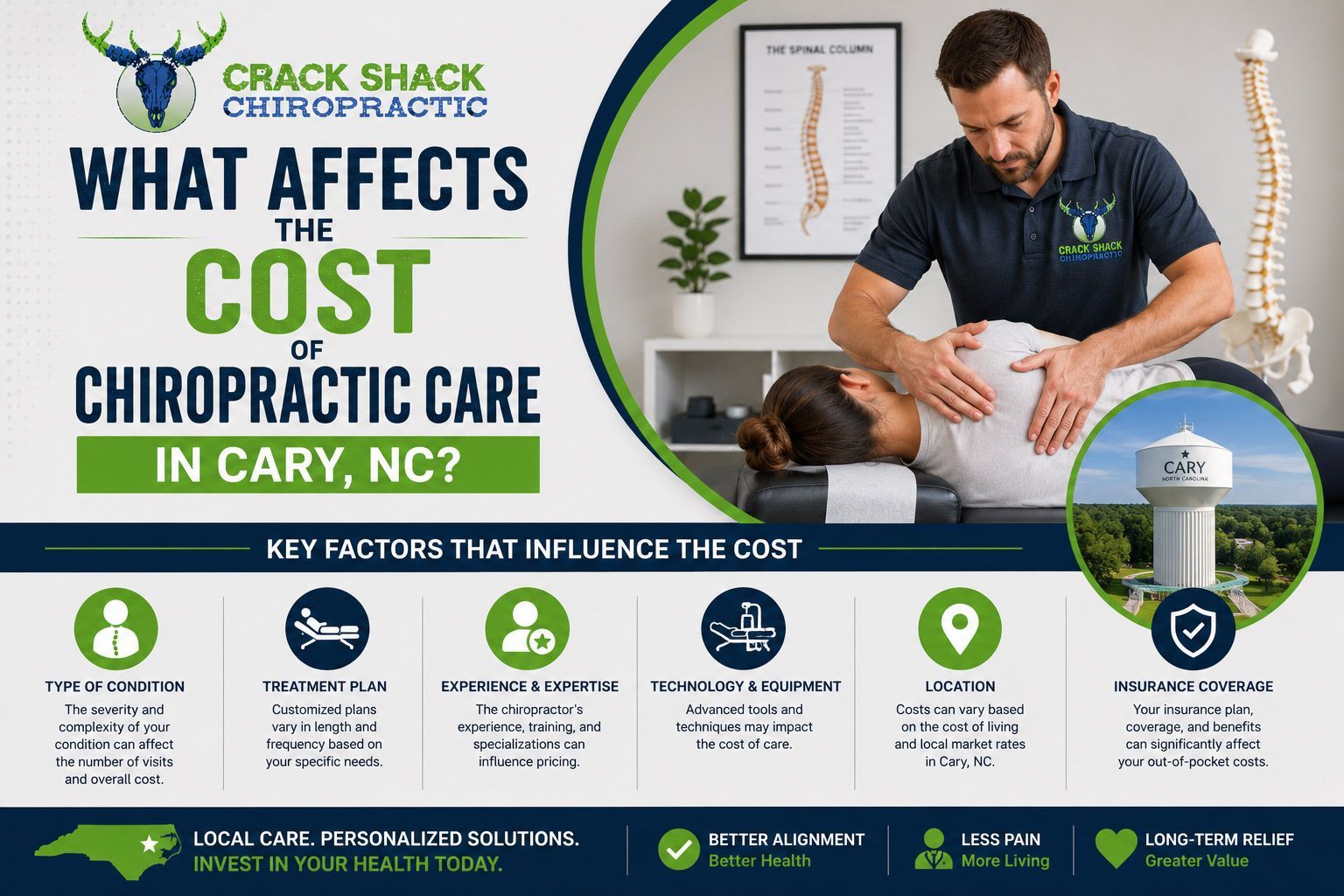
Many people assume that using insurance automatically makes healthcare cheaper. With chiropractic care, that assumption often breaks down. Some patients are surprised to find that their “covered” visit costs nearly the same as paying out of pocket. Others discover limits, caps, or paperwork requirements that complicate what seemed simple.
Insurance can reduce chiropractic costs—but it can also reshape them in ways that are not obvious. To know whether it truly saves you money, you need to understand how chiropractic billing actually works and what trade-offs come with using a plan.
How Chiropractic Insurance Coverage Actually Works
Chiropractic coverage is rarely open-ended. Most plans define care through restrictions rather than guarantees.
Coverage is usually shaped by:
- A fixed number of visits per year
- A required copay for each visit
- A deductible that must be met first
- Approval rules for ongoing care
- Limits on what services qualify
On paper, a visit may be “covered.” In practice, that often means you pay a copay until your yearly limit is reached. After that, you pay the full cost anyway.
Insurance does not eliminate cost. It restructures it.
Why Insurance Sometimes Costs More Than Paying Directly
In some cases, using insurance increases what you spend.
This happens when:
- The copay is close to the clinic’s cash rate
- You have not met your deductible
- Your plan limits visit frequency
- You pay for evaluations that out-of-pocket care skips
- You need care beyond your annual cap
For example, a patient with a $40 copay may pay that amount every visit, even if the clinic’s cash rate is similar or lower. Add a deductible, and the “insured” visit can exceed direct payment.
Insurance feels cheaper because it feels official. That does not always mean it is.
Where Insurance Truly Helps
Insurance works best when care is extended and predictable.
It provides real value when:
- You require many visits over a long period
- Your plan covers a high annual visit limit
- Your copay is significantly lower than cash rates
- You have already met your deductible
- Your care fits the insurer’s definition of “medical necessity”
In these cases, insurance spreads cost across time and lowers the per-visit burden. For chronic conditions, post-injury rehabilitation, or ongoing corrective care, this can be meaningful.
Insurance shines when consistency is unavoidable.
The Hidden Costs Behind “Covered” Care
Even when insurance pays something, there are non-financial costs.
Patients often encounter:
- Delays waiting for authorization
- Limits on visit frequency
- Required re-evaluations
- Treatment interruptions
- Administrative complexity
These constraints shape how care unfolds. Instead of adjusting based on how your body responds, visits may be spaced or capped based on plan rules.
Insurance can lower cost while reducing flexibility.
Out-of-Pocket Care: What You Gain
Direct payment is not just about price. It changes the experience.
Paying out of pocket often provides:
- Immediate access
- No visit caps
- No pre-authorization
- Freedom to stop when you feel better
- Simpler decision-making
For acute pain, first-time patients, or those unsure how many visits they will need, this flexibility can be more valuable than marginal savings.
You pay only for care you actually receive.
A Simple Way to Decide
Instead of assuming insurance is better, evaluate it in context.
- Look at your copay.
If it is close to the clinic’s cash rate, insurance may not save you money. - Check your deductible.
If it is unmet, you may be paying full price anyway. - Review your visit limit.
If it is low, you may exhaust it quickly. - Consider your condition.
Short-term issues often cost less out of pocket. Long-term conditions may benefit from coverage. - Decide what matters more: savings or flexibility.
Insurance favors structure. Cash care favors control.
This reframes the question from “Do I have insurance?” to “Does this plan actually help me here?”
Frequently Asked Questions
Does insurance always make chiropractic cheaper?
No. It depends on copays, deductibles, and visit limits.
Why do some clinics prefer cash patients?
Direct payment avoids administrative overhead and treatment restrictions.
Can I switch between insurance and cash?
Often yes. Many patients mix approaches based on need.
Is insurance required for injury-related care?
Not always. Some patients still choose direct payment for speed.
Does insurance change how chiropractors treat me?
It can. Treatment plans may align with coverage rules rather than pure clinical judgment.
Conclusion
Insurance can lower chiropractic costs, but only under the right conditions. When copays are low, deductibles are met, and long-term care is unavoidable, coverage provides real relief. When those conditions are not present, insurance can quietly cost more while limiting how care unfolds. The smarter approach is not assuming coverage equals savings, but measuring what your plan actually does in practice. Clinics like Crack Shack Chiropractic make this easier by offering straightforward out-of-pocket care alongside insurance-friendly options, giving Cary patients the ability to choose between structure and flexibility based on what truly serves their body and budget.