Are Package Deals Cheaper Than Pay-Per-Visit Adjustments?
January 26, 2026
Introduction
When people start chiropractic care, one of the first money questions they face is whether to commit to a package or just pay each time they come in. Some clinics frame bundles as “savings plans,” while others promote walk-in pricing with no strings attached. For patients, the choice often feels like a gamble: lock in now and hope it pays off, or stay flexible and risk spending more later.
The truth is that neither option is automatically better. Whether a package is actually cheaper depends on how your body responds, how consistent your needs are, and what problem you are trying to solve. Understanding how both models work helps you avoid paying for care you do not need—or underinvesting in care that could actually fix the issue.
How Chiropractic Packages Are Structured
A package is simply prepaid care. Instead of paying at each visit, you purchase a set number of sessions in advance at a reduced per-visit rate.
Most packages differ based on:
- The number of visits included
- The time window to use them
- Whether additional services are bundled
- What happens if visits go unused
The appeal is obvious. You lower the cost of each adjustment by committing upfront.
The trade-off is rigidity. Once those visits are purchased, they belong to you whether your body ends up needing all of them or not.
How Pay-Per-Visit Care Works
Pay-per-visit care removes commitment entirely. You pay only when you walk in.
This model works best for:
- First-time patients
- Short-term or injury-based pain
- People with unpredictable schedules
- Anyone unsure how their body will respond
Instead of agreeing to a treatment arc in advance, you let results guide you. If your pain resolves in two or three visits, you stop. There is no unused balance and no sunk cost.
The downside is simple. If you end up needing many visits, the total spend may exceed what a package would have cost.
When Packages Actually Save Money
Packages make sense when need is predictable.
They tend to be cheaper when:
- You have a chronic or recurring condition
- You already know chiropractic works for you
- Improvement happens gradually, not immediately
- You can attend consistently
In these cases, the package does not change behavior. It just reduces the cost of care you were already going to receive.
Someone managing long-term posture issues, repetitive strain, or ongoing mobility problems often expects regular visits. Buying those sessions in advance lowers the per-visit rate without adding risk. Here, the package is not pressure. It is optimization.
When Paying Per Visit Is the Smarter Choice
Pay-per-visit is strongest when outcomes are uncertain.
It is usually the better option when:
- You are new to chiropractic
- Your pain is acute or injury-based
- You do not know how many visits you will need
- Your schedule is inconsistent
- You want full control over spending
Many people experience rapid improvement in only a few sessions. In those cases, a package would leave unused visits on the table.
Pay-per-visit keeps cost tied to results. You stop paying when your body no longer needs help.
How the Two Models Compare in Practice
The difference becomes clear when you look at outcomes, not just price tags.
| Situation | Typical Visits | Package Outcome | Pay-Per-Visit Outcome |
|---|---|---|---|
| Acute neck strain | 3–4 | Overbuy care | Pay only for recovery |
| Chronic back pain | 12–20 | Lower total cost | Higher cumulative cost |
| First-time patient | Unknown | Financial risk | Low-risk trial |
| Ongoing wellness | Regular | Efficient savings | Gradual overspend |
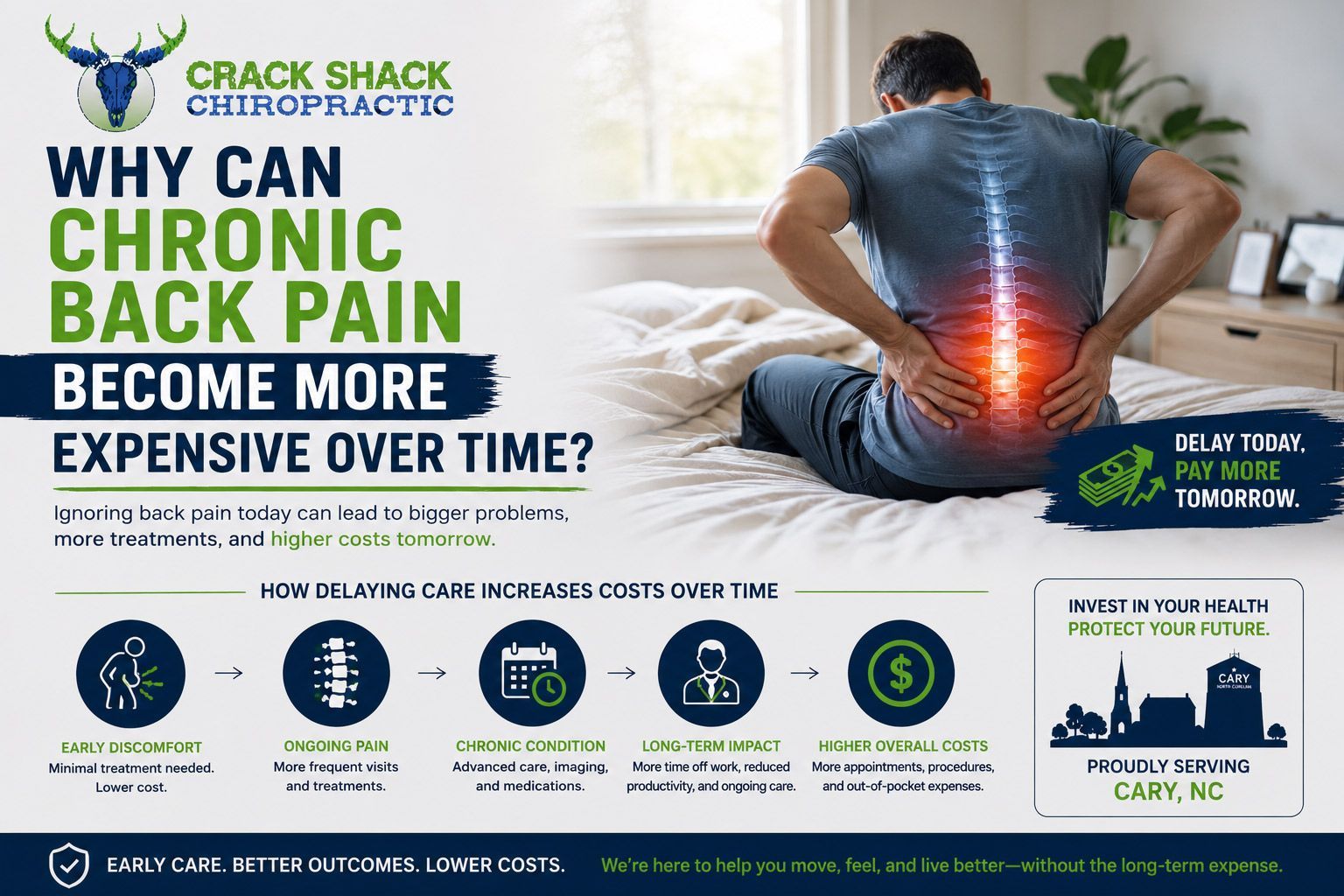
Packages are cheaper only when your usage matches the plan. They become more expensive when recovery happens sooner than expected.
A Simple Way to Decide
Instead of choosing emotionally, use a practical flow.
- Have you had chiropractic care before?
If not, start pay-per-visit. - Do you already know how your body responds?
If no, stay pay-per-visit. - Is your condition long-term or recurring?
If yes, continue. - Can you realistically commit to regular visits?
If yes, a package may reduce cost.
This keeps spending aligned with reality instead of marketing.
Why Clinics Promote Packages
Packages provide clinics with predictable revenue. They reduce missed appointments and stabilize schedules. From a business standpoint, they are efficient.
From a patient standpoint, they are only beneficial when your body’s needs match the structure. The risk is not in packages themselves. The risk is committing before your body has proven it needs that level of care.
Frequently Asked Questions
Are packages always cheaper per visit?
Yes, per visit. But not always cheaper overall. They only save money if every session is used.
Can unused visits usually be refunded?
Policies vary. Some clinics allow partial refunds. Others do not. Always ask first.
Does a package mean better care?
No. It is a billing model, not a quality indicator.
Do packages work well for maintenance care?
They can. People who use chiropractic as routine wellness often benefit from bundled pricing.
Is pay-per-visit more expensive long term?
Only if many visits are needed. For short-term issues, it is often cheaper.
Conclusion
Package deals are not automatically cheaper than pay-per-visit adjustments. They become cost-effective only when your needs are predictable, long-term, and consistent. For new patients, acute pain, or uncertain recovery paths, paying per visit protects both your budget and your freedom. The smartest choice is not the lowest advertised rate, but the structure that matches how your body actually heals. Practices like Crack Shack Chiropractic make this decision easier by offering accessible single-visit care alongside optional depth, allowing Cary patients to choose based on results instead of pressure.