Is Ongoing Chiropractic Care Cheaper Than Pain Medication Long-Term?
March 1, 2026
Introduction
Pain medication feels inexpensive at first. A bottle costs less than a single chiropractic visit. For many people, that makes the choice seem obvious—manage pain with pills and avoid the expense of hands-on care.
What most people do not calculate is time. Pain medication is rarely a one-time purchase. It becomes a recurring cost that stretches across months or years. Chiropractic care, on the other hand, is usually front-loaded. It costs more at the beginning but often decreases as the body stabilizes.
The real comparison is not one visit versus one bottle. It is what each path costs over the life of the problem.
How Long-Term Pain Medication Actually Accumulates
Pain medication is built for continuity. Once it becomes part of a routine, it rarely disappears.
Long-term medication use usually involves:
- Monthly refills
- Dose increases as tolerance builds
- Additional prescriptions for side effects
- Doctor visits to maintain prescriptions
- Periodic imaging or evaluations
Each layer adds cost. What begins as a small expense quietly becomes a permanent line in a household budget.
The financial weight is not dramatic in one moment. It is cumulative.
How Ongoing Chiropractic Care Typically Progresses
Chiropractic care follows a different arc.
Most care paths look like this:
- Initial phase focused on relief and correction
- A short period of frequent visits
- Gradual spacing as symptoms stabilize
- Optional maintenance based on lifestyle
The highest cost is usually at the beginning. As the body adapts, visit frequency drops. Many people reach a point where care becomes occasional instead of constant.
Chiropractic is not endless by default. Medication often is.
Cost Comparison Over Time
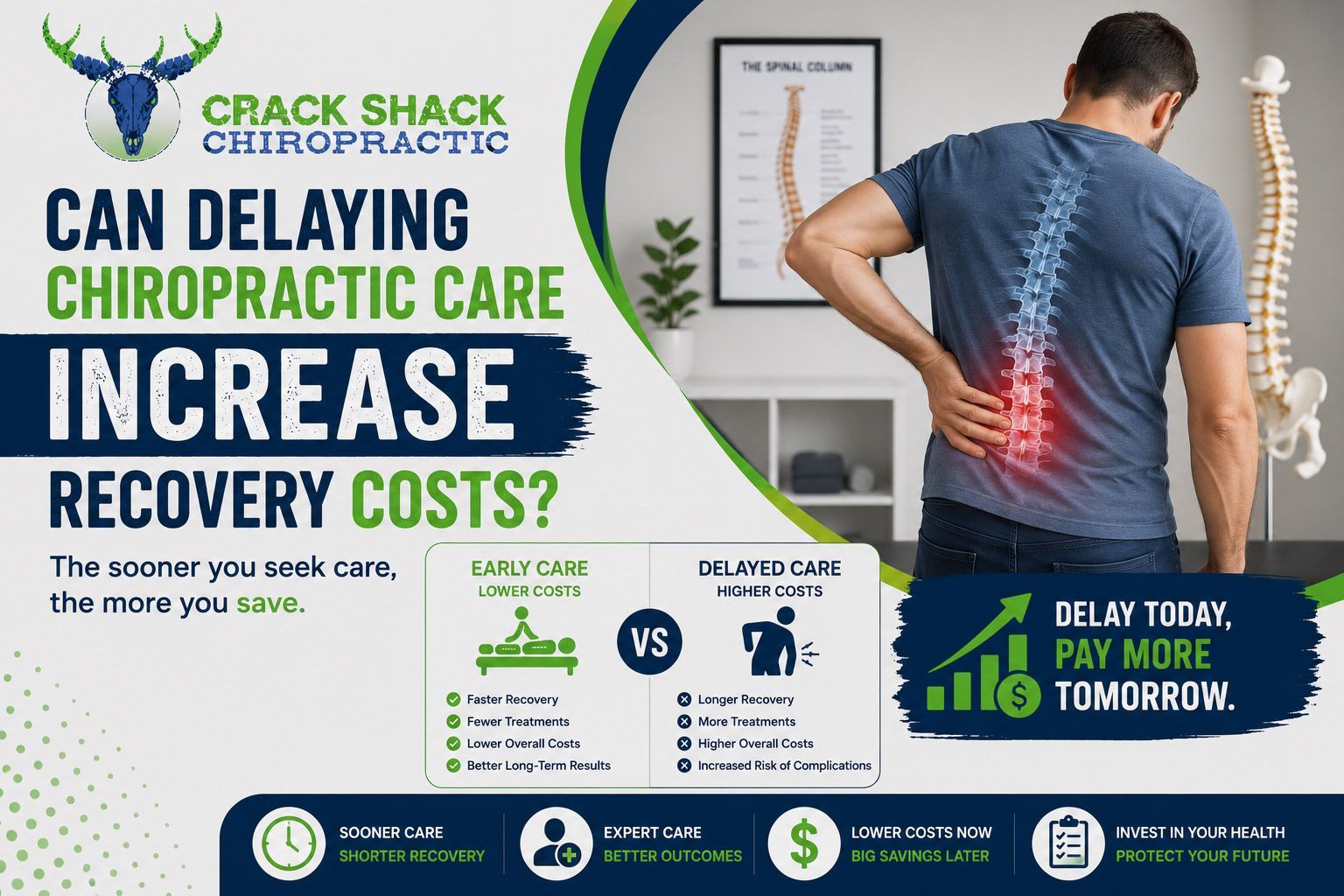
The difference becomes clearer when you compare patterns instead of single purchases.
| Time Frame | Pain Medication Path | Chiropractic Path |
|---|---|---|
| First month | Low cost, daily use | Higher upfront care |
| Six months | Continuous refills | Reduced visit frequency |
| One year | Ongoing monthly expense | Periodic maintenance |
| Three years | Permanent cost baseline | Intermittent expense |
Medication costs are small but constant. Chiropractic costs are higher early and lighter later.
One is linear. The other is tapered.
Where Medication Becomes More Expensive
Pain medication becomes costlier when:
- Dosages increase
- Multiple prescriptions are required
- Side effects need treatment
- Conditions worsen instead of improve
- Dependency forms
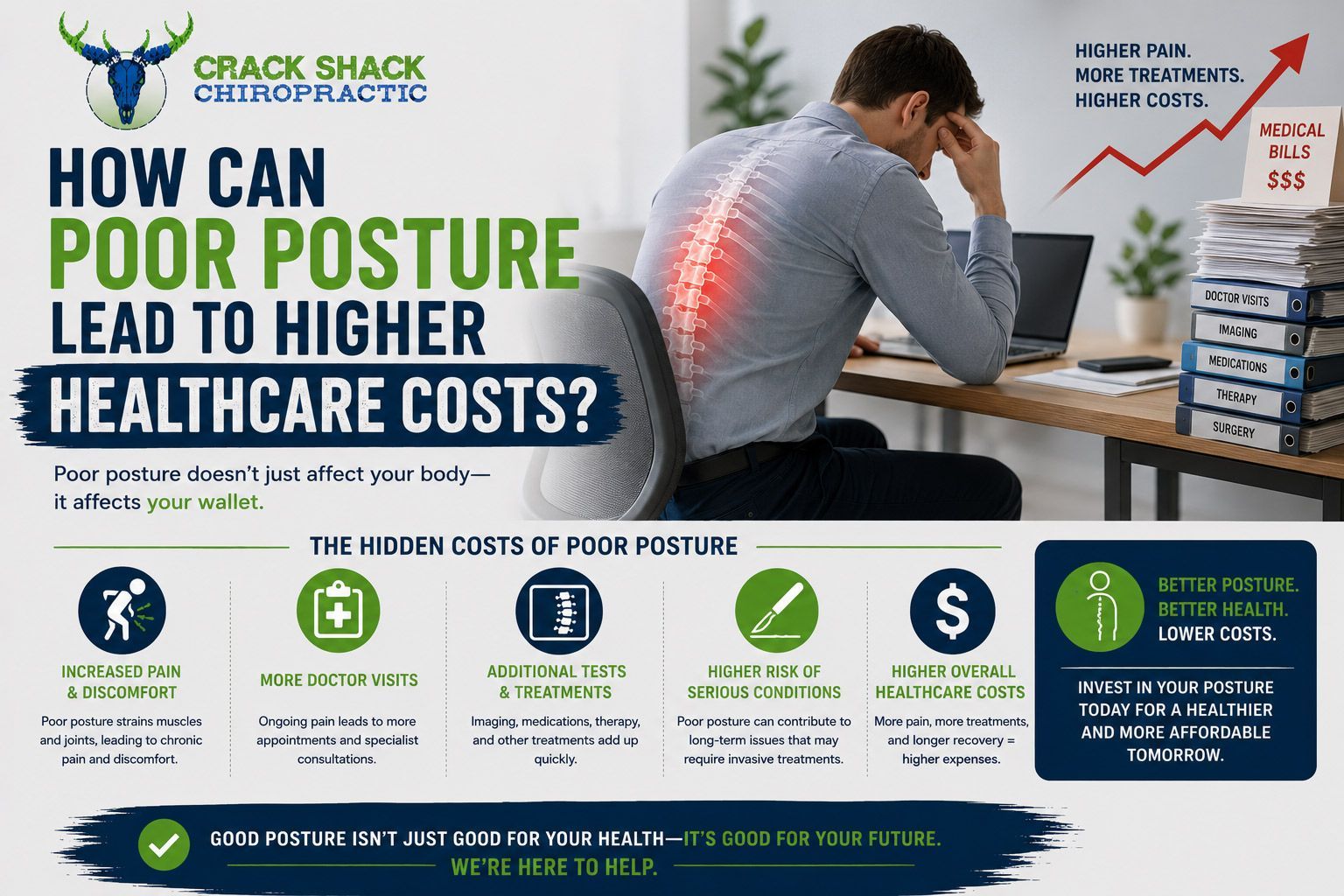
What starts as a $15 refill can evolve into several prescriptions plus routine doctor visits. The expense shifts from occasional to structural.
Medication manages symptoms. It does not change the condition creating them.
Where Chiropractic Becomes More Cost-Effective
Chiropractic care becomes more economical when:
- Pain stems from posture or alignment
- Movement improves with treatment
- Symptoms decrease over time
- Visit frequency drops
- Medication use declines
Here, care reduces the need for ongoing spending. The body becomes less dependent on external management.
The savings appear gradually. They are felt over years, not weeks.
The Hidden Financial Differences
Beyond direct cost, each path creates secondary expenses.
Pain medication often brings:
- Follow-up appointments
- Monitoring tests
- Missed work during flare-ups
- Reduced activity and productivity
Chiropractic care often brings:
- Improved mobility
- Reduced flare frequency
- Less reliance on prescriptions
- Greater physical resilience
One path stabilizes discomfort. The other aims to change the system producing it.
A Practical Way to Choose
Instead of choosing emotionally, use a simple lens.
- Is your pain mechanical or structural?
If yes, chiropractic addresses the source. - Has medication become routine?
If yes, you are already paying long-term. - Does movement make symptoms worse?
If yes, correction may reduce dependency. - Are you managing or improving?
Medication manages. Chiropractic aims to improve.
This shifts the question from which is cheaper today to which reduces cost over time.
Frequently Asked Questions
Is chiropractic always cheaper than medication?
No. Short-term pain may resolve with minimal medication. Long-term conditions change the math.
Can both be used together?
Yes. Many people reduce medication while using chiropractic care.
Does chiropractic eliminate the need for pills?
Not always. It often reduces frequency and reliance.
Is maintenance care necessary forever?
Not for everyone. Many patients transition to occasional visits.
Why does medication feel cheaper?
Because the cost is spread in small pieces. It is harder to see the total.
Conclusion
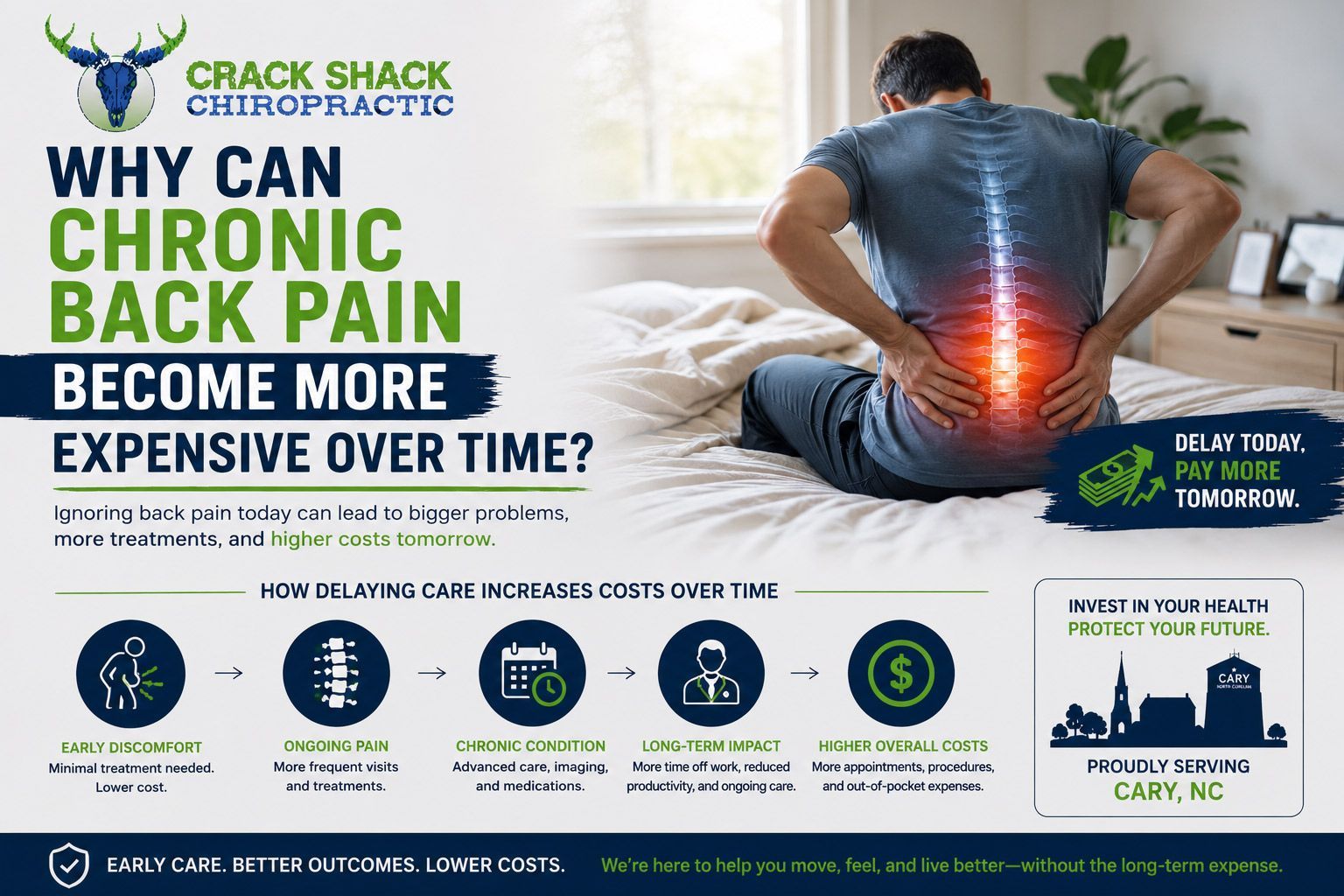
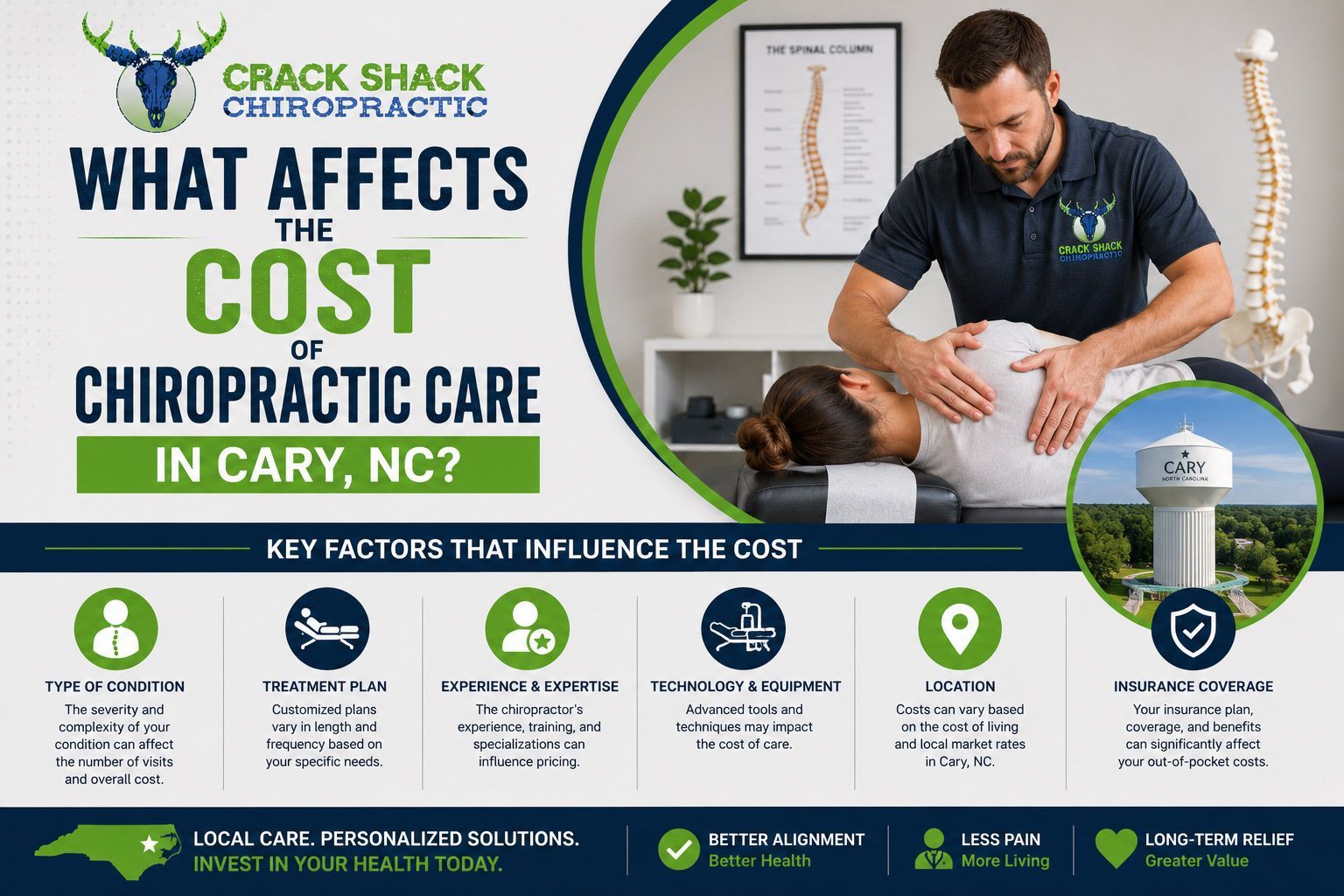
Pain medication feels inexpensive because it hides its cost in repetition. Chiropractic care feels expensive because it concentrates its cost at the beginning. Over time, those perceptions reverse. Medication becomes a permanent expense. Chiropractic often becomes optional. For mechanical and posture-driven pain, ongoing chiropractic care can reduce long-term spending by reducing dependency. The smarter comparison is not today’s receipt, but what each path asks you to keep paying for. Practices like Crack Shack Chiropractic offer an alternative to endless symptom management by helping Cary patients invest in structural improvement instead of permanent prescription cycles.