Can Chiropractic Care Help Relieve Tension Headaches?
July 26, 2026

Introduction
A lot of tension headaches do not begin in the head.
They begin during ordinary parts of the day that barely seem important at the time. Leaning toward a laptop for hours. Driving while tightening the shoulders unconsciously. Sleeping awkwardly after a stressful week. Looking down at a phone late into the night without realizing how stiff the neck has become.
Then the pressure starts building.
Some people describe it as a dull band around the forehead. Others feel aching behind the eyes, tightness near the temples, or pain that spreads from the neck upward. Many residents in Cary, North Carolina experience tension headaches so frequently that they begin treating them as part of normal life rather than a sign that something in the body is not functioning well.
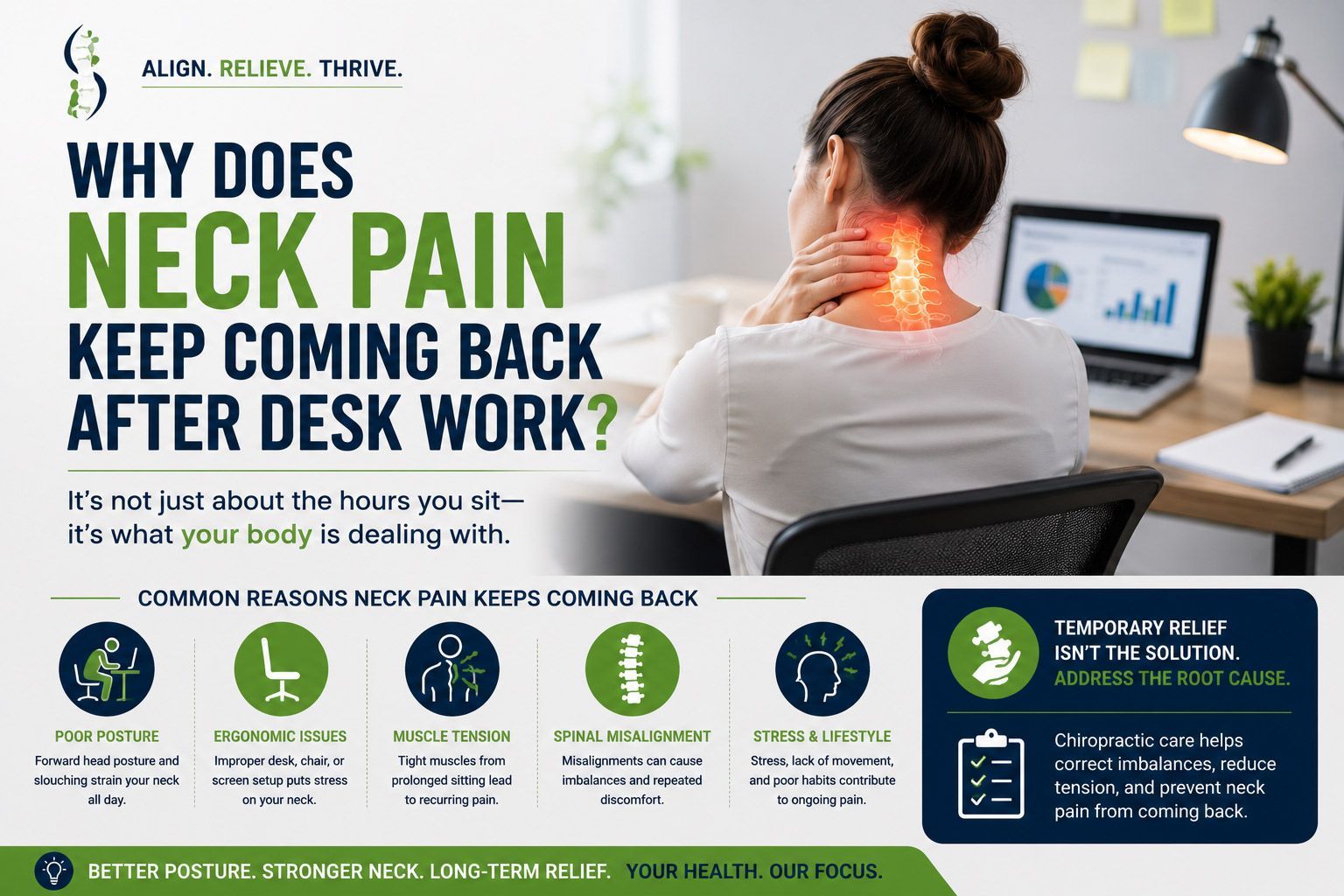
What makes tension headaches frustrating is that the actual trigger is not always obvious. The pain may appear in the head, but the underlying problem often involves muscular tension, posture strain, spinal stiffness, or repetitive stress affecting the neck and upper back.
That is why many people eventually explore chiropractic care when headaches continue returning despite rest, hydration, or temporary pain relief methods.
What Makes Tension Headaches Different?
Not every headache develops for the same reason.
Tension headaches are commonly associated with muscle tightness and mechanical stress rather than conditions like migraines or sinus inflammation.
Common Characteristics of Tension Headaches
People experiencing tension headaches often describe:
- Pressure around the forehead
- Tightness at the base of the skull
- Neck stiffness
- Aching shoulders
- Pain that worsens after long workdays
- Mild to moderate discomfort instead of throbbing pain
The symptoms may last for hours or return repeatedly throughout the week.
Why the Neck and Upper Back Matter
The muscles and joints in the neck are closely connected to how the head moves and stabilizes throughout the day.
When mobility becomes restricted or muscles stay tense for extended periods, strain may begin affecting surrounding nerves and tissues connected to headache symptoms.
This is especially common among people who:
- Sit for long periods
- Work at computers daily
- Drive frequently
- Experience chronic stress
- Use phones extensively
- Have poor posture habits
In Cary, North Carolina, many office professionals and remote workers develop tension headaches gradually because repetitive daily strain keeps accumulating without enough recovery.
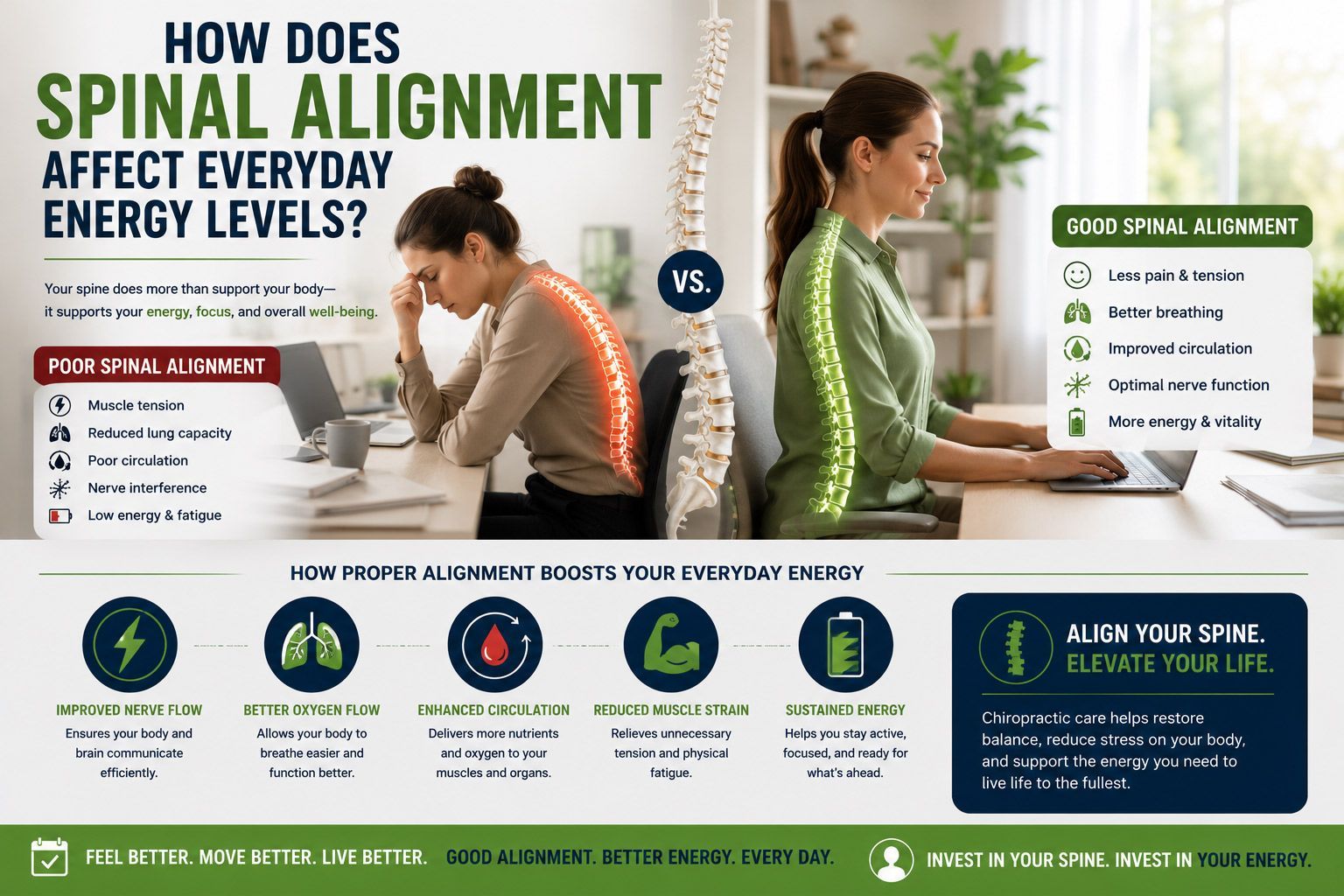
How Poor Posture Contributes to Headaches
Posture plays a larger role in tension headaches than many people realize.
Forward Head Posture Increases Strain
One of the most common contributors is forward head posture.
When the head consistently shifts in front of the shoulders, the neck muscles must work harder to support its weight throughout the day.
That additional strain may contribute to:
| Posture Problem | Potential Effect |
|---|---|
| Forward head posture | Neck fatigue |
| Rounded shoulders | Upper back tension |
| Slouching | Reduced spinal support |
| Prolonged screen use | Muscle tightness |
| Limited neck movement | Headache recurrence |
Over time, these mechanical stresses can create recurring tension patterns that trigger headaches more consistently.
Stress and Muscle Tightness Often Work Together
Physical tension and mental stress frequently overlap.
People under stress often tighten muscles unconsciously around the:
- Neck
- Jaw
- Shoulders
- Upper back
If those muscles remain tense repeatedly, headaches may occur more often even without a major injury or obvious physical problem.
How Chiropractic Care May Help With Tension Headaches
Chiropractic care focuses on spinal mobility, movement function, and reducing mechanical stress throughout the body.
For patients dealing with recurring tension headaches in Cary, treatment often focuses on areas contributing to muscular tension and restricted movement patterns.
Improving Neck and Upper Back Mobility
Restricted movement in the cervical spine and upper back may contribute to muscle tightness associated with headaches.
Chiropractic adjustments may help improve joint mobility and reduce stiffness affecting surrounding muscles.
Addressing Muscle Compensation Patterns
Tension headaches are often connected to muscular imbalance or repetitive strain.
Treatment may involve evaluating areas such as:
- Neck mobility
- Shoulder positioning
- Upper back tension
- Posture habits
- Movement mechanics
The goal is not simply temporary relief, but improving the physical patterns contributing to recurring tension.
Supporting Better Movement Habits
Many chiropractors also provide guidance related to:
- Desk ergonomics
- Sitting posture
- Stretching routines
- Sleeping positions
- Movement breaks during workdays
These adjustments may help reduce repeated physical stress that contributes to headaches returning.
Why Temporary Relief Sometimes Stops Working
People experiencing tension headaches often try to manage symptoms in short-term ways first.
Common approaches include:
- Pain relievers
- Massage tools
- Rest
- Caffeine
- Heat packs
- Occasional stretching
While these methods may temporarily reduce symptoms, headaches sometimes continue returning because the underlying physical strain remains unchanged.
Repetitive Daily Habits Continue the Cycle
For example:
During Work
Poor monitor height or prolonged sitting may repeatedly stress the neck.
During Sleep
Unsupportive sleeping positions may keep muscles irritated overnight.
During Commutes
Long driving periods can increase shoulder and upper back tension.
Without improving the habits contributing to physical stress, symptom relief may remain temporary.
Tension Headaches and Modern Work Routines in Cary
Many adults in Cary, North Carolina spend large portions of the day in positions that increase neck and upper back strain.
Modern routines often involve:
- Laptop use
- Dual monitors
- Long desk hours
- Frequent phone use
- Limited movement during workdays
Even small posture problems repeated daily can gradually create enough muscular tension to contribute to chronic headaches.
That is why many patients seeking chiropractic care are not only trying to relieve pain — they are also trying to improve how their body handles repetitive daily stress.
When Headaches May Need Professional Evaluation
Not every headache is caused by tension or posture issues.
However, recurring headaches that consistently involve neck tightness or muscular tension may justify evaluation.
Signs That Physical Strain May Be Contributing
- Headaches after long computer sessions
- Neck stiffness with headache symptoms
- Pain starting near the base of the skull
- Recurring upper back tightness
- Symptoms worsened by posture
- Frequent tension after stressful days
These patterns may indicate that muscular or spinal stress is playing a role.
Frequently Asked Questions
Can neck tension cause headaches?
Yes. Tight muscles and restricted movement in the neck and upper back may contribute to tension headaches.
What is the difference between migraines and tension headaches?
Tension headaches are commonly associated with muscle tightness and pressure, while migraines often involve more severe neurological symptoms.
Can poor posture trigger headaches?
Poor posture may increase strain on the neck and upper back muscles, potentially contributing to recurring headaches.
How does chiropractic care help tension headaches?
Chiropractic care may help improve spinal mobility, reduce muscular tension, and address movement patterns associated with headache symptoms.
Can stress make tension headaches worse?
Yes. Stress often increases muscle tightness in the neck, shoulders, and jaw, which may worsen headache frequency or intensity.
Conclusion
Tension headaches are often connected to more than stress alone. Repetitive posture strain, neck stiffness, muscular tension, and limited mobility can all contribute to headaches becoming more frequent over time.
For many people in Cary, North Carolina, chiropractic care may help address the physical movement patterns and spinal stress associated with recurring tension headaches. Improving posture, mobility, and muscle balance can play an important role in reducing ongoing strain throughout daily life.
At Crack Shack Chiropractic, patients can learn more about chiropractic approaches focused on mobility, posture support, and relieving physical tension through personalized care.