Can a Chiropractor Help With Stress and Poor Sleep?
October 4, 2026

It Is Not Just a Back Thing
Mention chiropractic care to most people and they immediately think: back pain. That makes sense — it is what the profession is best known for. But an increasing number of patients seek chiropractic care specifically to manage stress and improve sleep, and a growing body of evidence suggests that their instinct is well-founded.
If that connection sounds like a stretch, you are probably thinking about the spine the way most of us were taught: as a structural support system, nothing more. The reality is that the spine and the nervous system are inseparable, and when one is under chronic strain, the other reflects it. For busy adults in Cary, NC navigating demanding work schedules, long commutes, and relentless daily pressure, understanding that relationship could change how they think about recovery.
Why the Spine and Stress Are Directly Connected
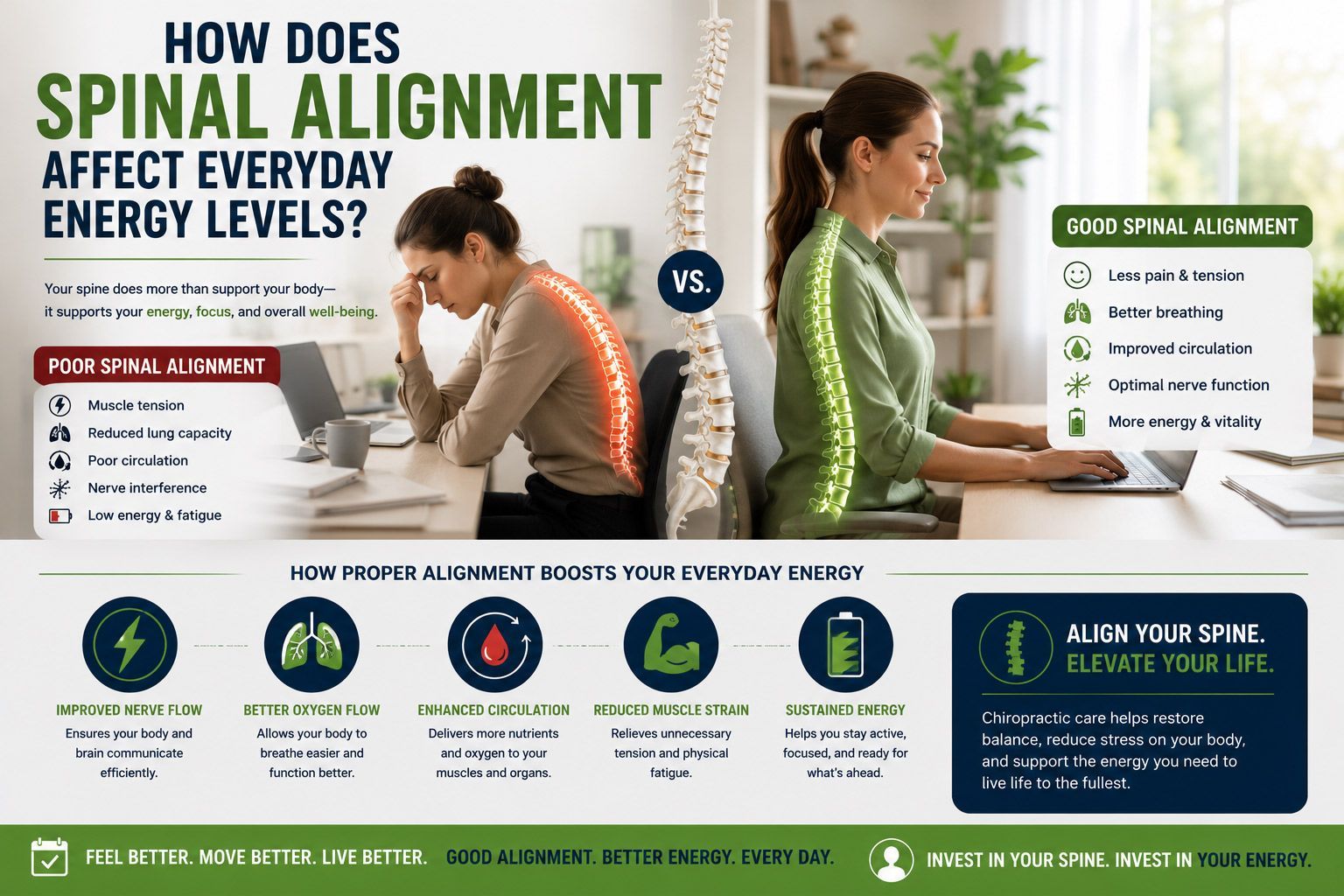
The spinal cord is the main communication channel between your brain and every organ, muscle, and gland in your body. When spinal joints become restricted or misaligned — what chiropractors call subluxations — that communication is disrupted. The result is a nervous system that operates under a kind of low-grade interference, even when there is no external threat.
This interference pushes the nervous system toward sympathetic dominance — the physiological state most people know as fight-or-flight. In that state, cortisol stays elevated, muscles remain chronically tight, digestion is suppressed, and the body simply cannot shift into the recovery mode it needs for deep sleep and emotional regulation. This is not a metaphor for feeling tense. It is a measurable physiological pattern.
Chiropractic adjustments address this by restoring motion and reducing mechanical load on the spinal joints. That reduction in afferent input to the nervous system supports a shift toward parasympathetic activity — the rest-and-digest state that allows the body to genuinely recover.
What the Research Actually Says
The research on chiropractic care and stress is still developing, but it consistently points in the same direction. A study published in the Journal of Manipulative and Physiological Therapeutics found measurable reductions in anxiety and improvements in self-reported well-being following spinal manipulation. Separate studies have documented decreases in cortisol levels following upper cervical adjustments in specific patient populations.
On the sleep front, a 2014 study in the Journal of Sleep Medicine found that patients receiving chiropractic care reported significant improvements in sleep quality over a six-week period. These findings align closely with what practitioners in Raleigh, NC and across the country observe clinically: patients who begin care for pain frequently volunteer — unprompted — that they are sleeping better.
Where Stress Lives in the Body
Chronic stress does not stay in the mind. It settles into the body in consistent, predictable patterns — many of which respond directly to chiropractic care. These are the areas where stress most commonly accumulates and where adjustments make a measurable difference.
Upper trap and cervical spine
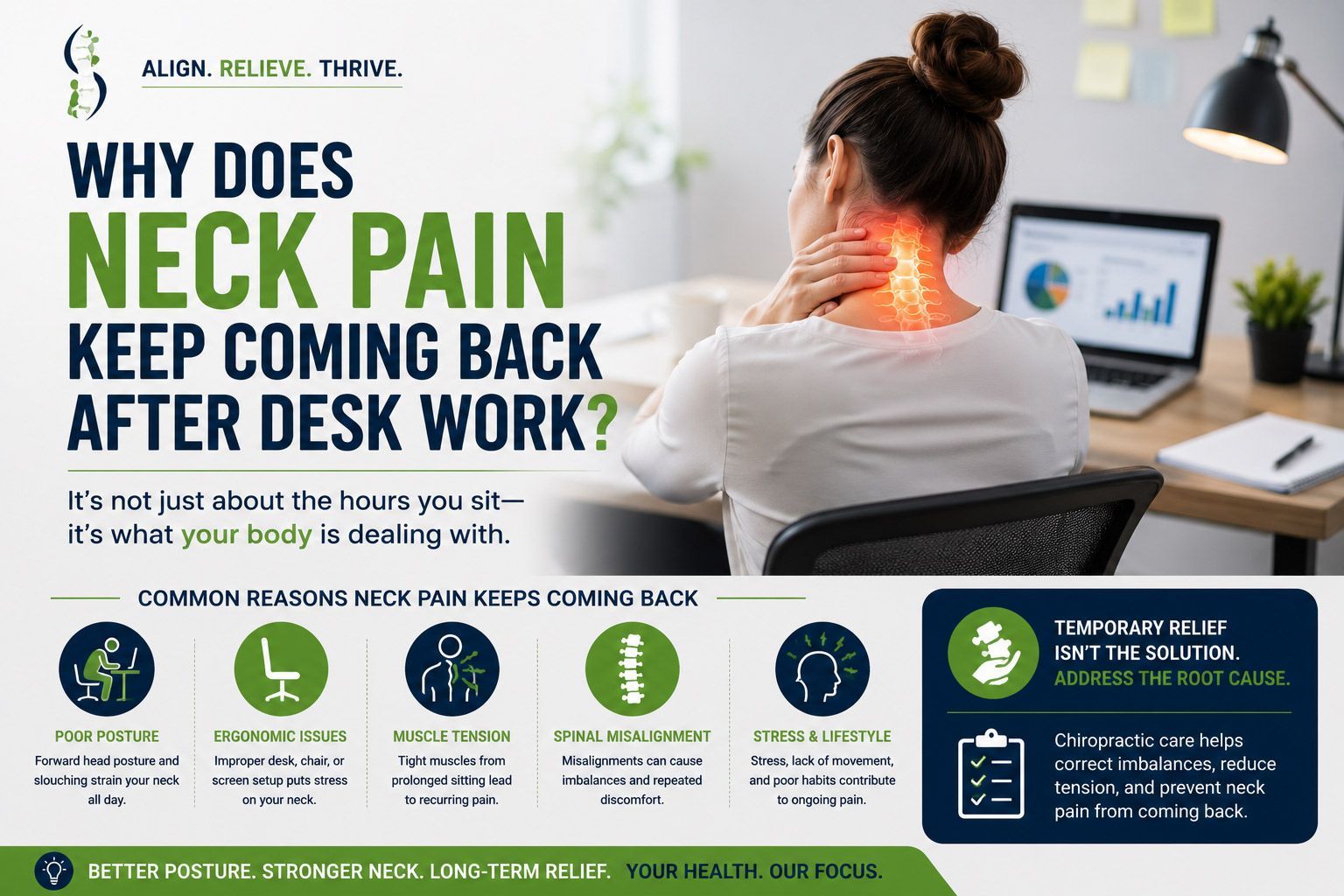
The neck and upper shoulders are the body's first responders to stress. They tighten reflexively under sustained pressure, pulling the cervical spine out of alignment and restricting range of motion. Cervical adjustments address the joint component of this pattern, often producing immediate relief in the area where tension is most noticeable.
Thoracic spine
The mid-back stiffens with prolonged desk work and chronic stress, creating a rounded, guarded posture that limits breathing depth. Thoracic mobilization opens range of motion and allows for fuller, calmer breath — something that has a direct downstream effect on the nervous system.
Lumbar spine and hips
The psoas muscle — a deep hip flexor that connects the lower spine to the femur — is one of the most stress-responsive muscles in the body. When it chronically tightens, it pulls the lumbar spine into compression. Lumbar adjustments and hip mobilization target this pattern directly.
Headaches from cervical tension
Tension headaches originating from suboccipital tightness and cervical misalignment are extremely common in stressed patients and among the most responsive conditions to chiropractic care. Many patients in Durham, NC report that regular adjustments have virtually eliminated the headaches they previously managed with over-the-counter medication.
How Spinal Alignment Affects Sleep Quality in Cary, NC
Beyond the nervous system effects, spinal alignment has a direct mechanical impact on sleep. When the spine carries chronic tension or restriction, finding a comfortable sleeping position becomes genuinely difficult. The body shifts, adjusts, and partially wakes throughout the night in response to discomfort — disrupting the deeper stages of sleep that drive physical recovery and mood regulation.
Patients in Cary, NC who address spinal tension through regular care often notice that they fall asleep faster, stay asleep longer, and wake feeling more rested — even when better sleep was never the primary reason they booked. Better alignment means less positional discomfort, and less positional discomfort means fewer interruptions to the sleep cycles that matter most.
Crack Shack Chiropractic makes this kind of consistent care genuinely accessible. At $20 per session, maintaining spinal health does not require a significant budget or a major time commitment.
Frequently Asked Questions
How soon after an adjustment might I notice improved sleep?
Some patients notice a change the same night. For most, consistent improvement develops over two to four weeks of regular care. Individual response varies based on the severity and duration of the underlying tension.
Can chiropractic help with anxiety specifically?
Chiropractic addresses the physiological component of anxiety — nervous system dysregulation and chronic muscle tension. It is not a psychiatric treatment, but many patients report feeling notably calmer following adjustments.
Is there a specific adjustment type that works best for stress?
Upper cervical and thoracic adjustments are most commonly associated with nervous system regulation effects, but the appropriate approach depends on where your spine shows restriction. Your chiropractor will assess this at the visit.
Does chiropractic interact with sleep medications or supplements?
Chiropractic care is non-pharmaceutical and carries no known interactions. Always disclose current medications during your intake conversation regardless.
How does chiropractic differ from massage for stress relief?
Massage works on soft tissue — muscles and fascia. Chiropractic works on joint alignment and nervous system interference. They address different layers of the same problem and work extremely well together.
The Bottom Line
Stress and poor sleep are not purely mental problems. They accumulate physically — in tight muscles, restricted joints, and a nervous system that cannot fully switch off. Chiropractic care addresses the physical dimension of both with precision and without pharmaceutical intervention.
For patients in Cary, NC who have been waking up exhausted or carrying tension that never fully releases, Crack Shack Chiropractic offers a concrete, affordable starting point. At $20 a session, the barrier to trying it is lower than almost anything else on the wellness menu.