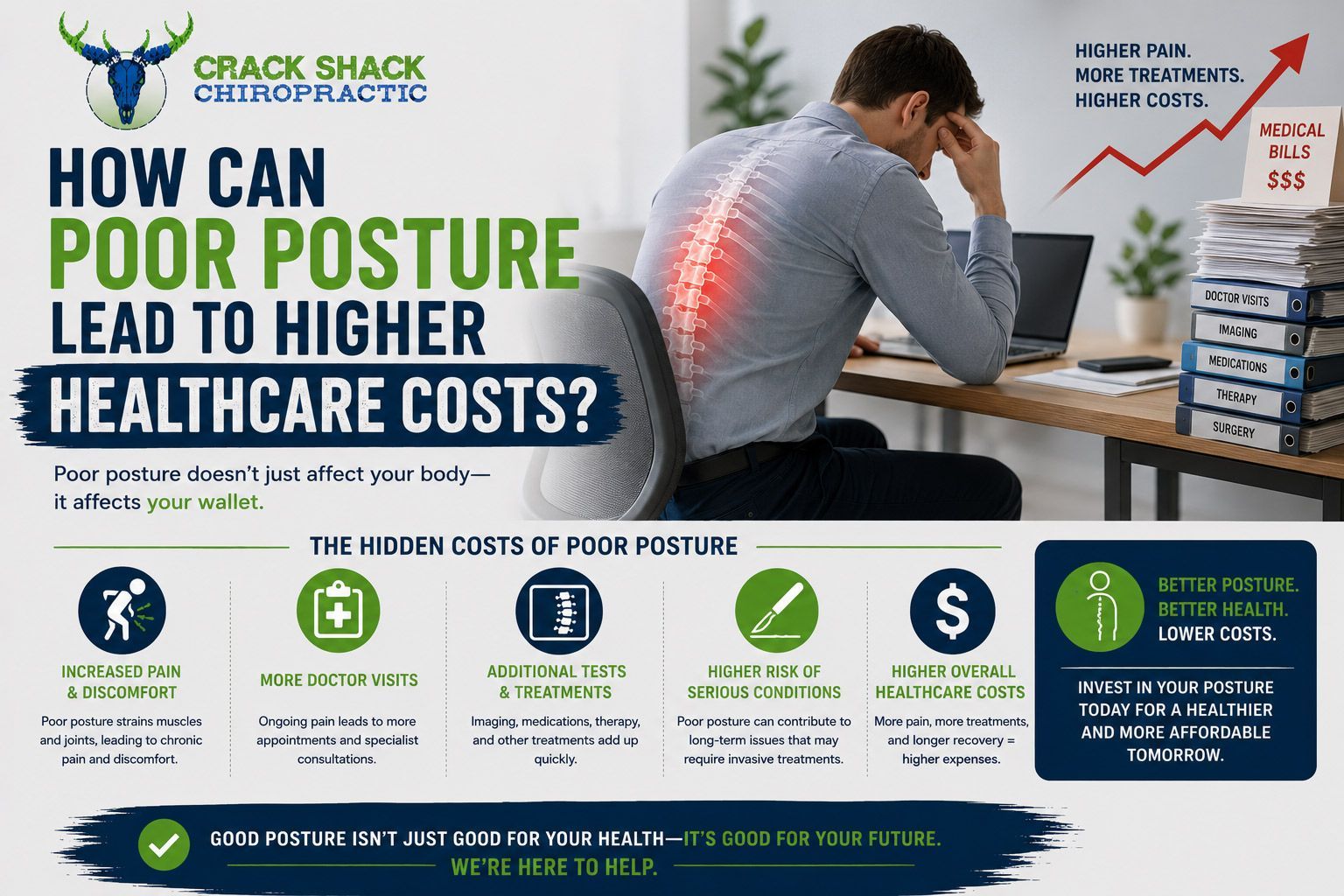
How Can Poor Posture Lead to Higher Healthcare Costs?
July 5, 2026
Introduction
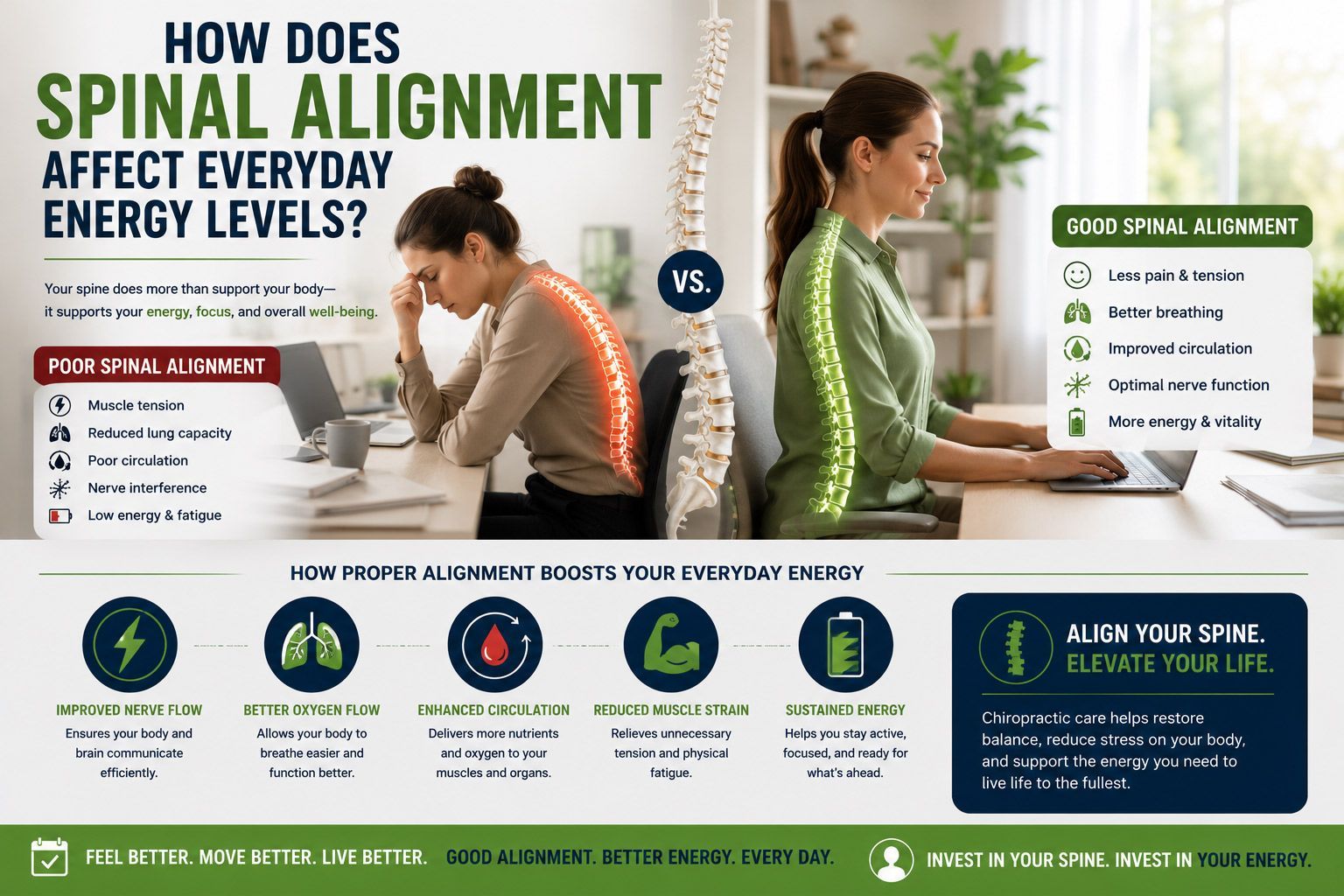
Poor posture rarely feels expensive in the beginning.
It usually starts as something people brush off because it seems normal. Leaning forward while working on a laptop. Looking down at a phone for hours. Sitting unevenly during long drives. Slouching on the couch after work because the back feels tired anyway.
The body adapts quietly at first.
Then small physical changes begin stacking together. Neck stiffness becomes more frequent. Headaches start showing up during workdays. The lower back feels tight after sitting too long. Sleep becomes less comfortable. Stretching stops working as well as it used to.
Many people in Cary, North Carolina do not immediately connect these issues to posture because the symptoms often appear gradually over months or years. But over time, poor posture can contribute to recurring pain, reduced mobility, muscle imbalance, and physical stress that may eventually require more extensive treatment and recovery support.
That is where healthcare costs often increase.
Poor Posture Changes How the Body Distributes Stress
The spine is designed to distribute weight and movement efficiently. When posture shifts repeatedly into unhealthy positions, certain joints and muscles begin absorbing more stress than they were meant to handle.
The Problem Is Usually Repetition, Not One Position
Most people are not injured by sitting once or standing incorrectly for a few minutes.
Problems usually develop from repeated daily habits such as:
- Leaning forward during computer work
- Looking down at phones constantly
- Slouching while driving
- Sitting for long periods without movement
- Standing unevenly while working
Over time, these positions can alter how muscles and joints function together.
Common Compensation Patterns From Poor Posture
| Posture Habit | Potential Physical Effect |
|---|---|
| Forward head posture | Neck tension |
| Rounded shoulders | Upper back tightness |
| Slouched sitting | Lower back strain |
| Uneven standing posture | Hip imbalance |
| Prolonged screen use | Shoulder discomfort |
Many posture-related problems begin as mild tension before gradually affecting larger movement patterns throughout the body.
Why Posture Problems Often Become More Expensive Later
One reason posture-related issues become costly is because people usually adapt to them instead of correcting them early.
The body compensates remarkably well in the short term.
Someone with poor sitting posture may still exercise, work, and function normally for years while underlying strain slowly increases. By the time symptoms become disruptive, several areas of the body may already be involved.
Compensation Can Spread Beyond the Spine
A person who initially experiences mild neck stiffness may later develop:
- Frequent headaches
- Shoulder tightness
- Jaw tension
- Mid-back discomfort
- Reduced mobility
Likewise, prolonged poor sitting posture may eventually contribute to hip tightness or recurring lower back pain.
The longer compensation patterns continue, the more recovery may involve multiple areas rather than one isolated issue.
Desk Work and Technology Have Increased Posture Problems
In Cary, North Carolina, many professionals spend large portions of the day sitting at computers or using mobile devices.
Modern work routines often involve:
- Limited movement during work hours
- Long periods of screen time
- Poor workstation setups
- Frequent laptop use
- Repetitive typing positions
These habits can gradually increase stress on the spine and surrounding muscles.
Forward Head Posture Creates Significant Strain
One of the most common posture problems today is forward head posture.
When the head moves in front of the shoulders repeatedly, the neck and upper back must support additional mechanical stress throughout the day.
This may contribute to:
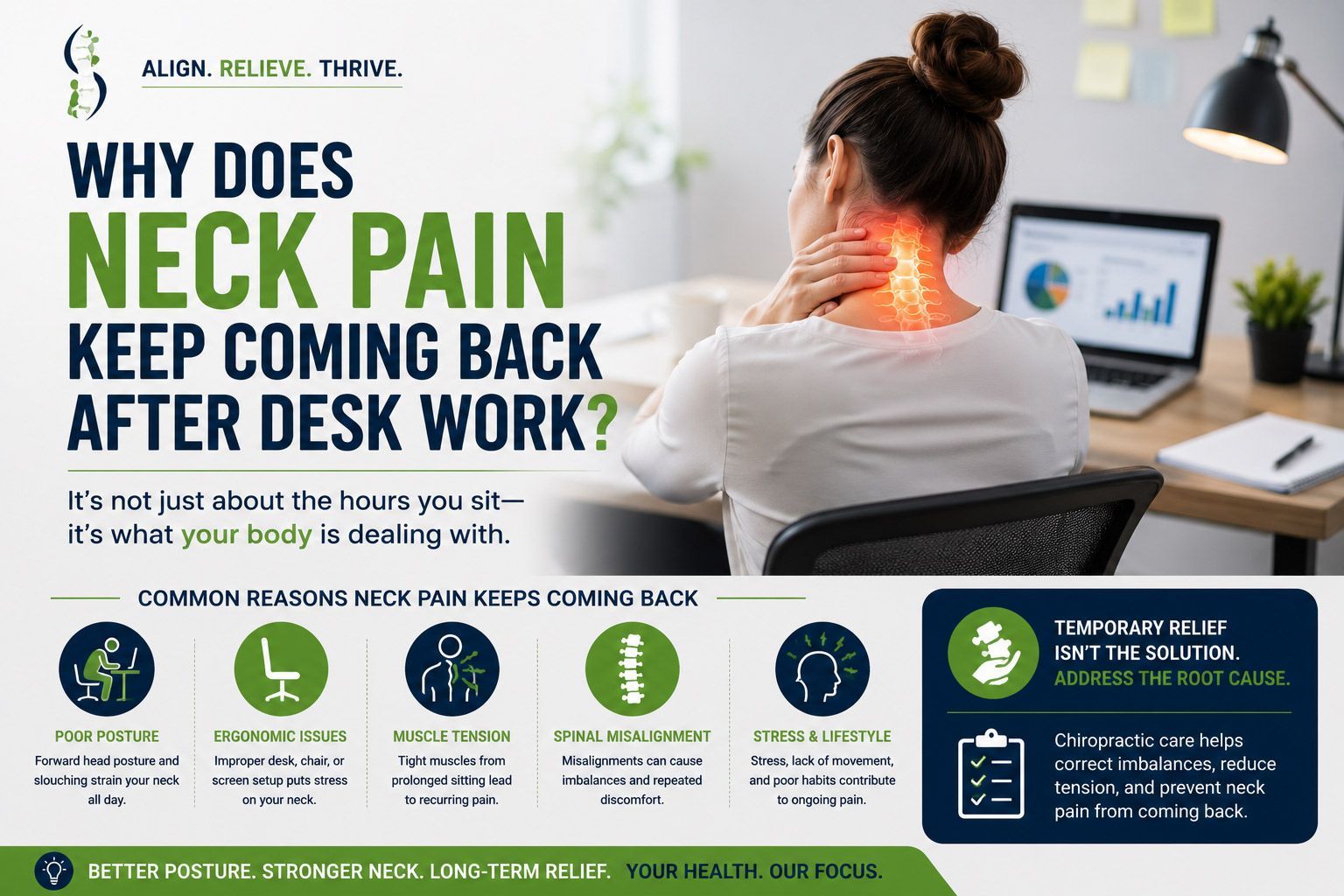
- Chronic neck tightness
- Headaches
- Shoulder fatigue
- Upper back discomfort
- Reduced range of motion
For some people, symptoms worsen slowly enough that they do not realize posture is contributing until discomfort becomes consistent.
The Financial Impact of Chronic Posture Problems
Healthcare costs related to posture are not always direct or immediate.
Long-term posture issues can affect several parts of daily life that indirectly increase physical and financial strain.
Reduced Productivity
Persistent discomfort often affects concentration and energy levels before people realize how much posture is contributing.
Common workplace effects include:
- Frequent stretching breaks
- Difficulty sitting comfortably
- Reduced focus during long tasks
- Fatigue from muscle tension
- Interrupted sleep affecting performance
More Extensive Treatment Needs
Early posture correction may involve relatively simple adjustments to movement habits and workstation setup.
Long-term posture dysfunction may eventually require:
- Mobility rehabilitation
- Spinal adjustments
- Soft tissue therapy
- Strengthening exercises
- Ergonomic modifications
- Ongoing maintenance care
The longer dysfunction continues, the more structured recovery may become.
Reduced Physical Activity
Many people unintentionally reduce activity because movement becomes uncomfortable.
That can contribute to:
- Muscle weakness
- Joint stiffness
- Reduced flexibility
- Poor circulation
- Increased physical deconditioning
These secondary effects may make recovery slower and more expensive over time.
Why Temporary Relief Often Is Not Enough
A common mistake with posture-related pain is focusing only on short-term symptom relief.
People may rely on:
- Pain relievers
- Massage devices
- Stretching occasionally
- Changing chairs repeatedly
- Resting temporarily
While these approaches may provide temporary comfort, they do not always correct the movement habits contributing to the problem.
Posture Is Usually a Daily Habit Issue
Improving posture often requires addressing repeated behaviors throughout the day.
For example:
At Work
Monitor height, chair support, keyboard position, and sitting duration all affect spinal stress.
During Driving
Long commutes with poor lumbar support may increase lower back tension.
At Home
Phone use, couch posture, and sleeping positions can continue aggravating symptoms outside work hours.
Without changing the habits causing the strain, discomfort often returns repeatedly.
How Chiropractic Care May Help With Posture-Related Problems
Chiropractic care often focuses on improving spinal mobility, movement patterns, and physical function.
For patients in Cary dealing with posture-related discomfort, treatment may involve more than adjustments alone.
Common Areas Chiropractors May Address
| Focus Area | Why It Matters |
|---|---|
| Spinal mobility | Supports healthier movement |
| Muscle tension | Reduces compensation patterns |
| Posture awareness | Helps reduce repeated strain |
| Movement habits | Improves long-term function |
| Ergonomic guidance | Supports daily comfort |
Posture correction is usually a gradual process because the body may need time to adapt to healthier movement patterns again.
Why Early Posture Correction Can Reduce Long-Term Costs
Small posture problems are generally easier to manage before they create widespread compensation throughout the body.
That is why many people seek chiropractic care before symptoms become severe.
Earlier Intervention May Help Prevent:
- Chronic neck pain
- Recurring headaches
- Reduced spinal mobility
- Persistent lower back discomfort
- Long-term muscle imbalance
In many cases, improving posture early may reduce the likelihood of more extensive recovery needs later.
Frequently Asked Questions
Can poor posture really cause chronic pain?
Yes. Repetitive poor posture may place ongoing stress on muscles, joints, and the spine, potentially contributing to chronic discomfort over time.
Why does sitting all day make posture worse?
Prolonged sitting can increase spinal compression, muscle tightness, and forward head posture, especially without movement breaks.
Can posture affect headaches?
Poor posture may contribute to tension headaches by increasing strain in the neck and upper back muscles.
Does posture-related pain usually worsen gradually?
In many cases, yes. Symptoms often develop slowly through repeated daily movement habits and prolonged strain.
Can chiropractic care help improve posture?
Chiropractic care may help improve mobility, reduce muscular tension, and support healthier movement patterns related to posture.
Conclusion
Poor posture often becomes expensive because the body adapts around repeated physical stress for long periods before symptoms become severe. What starts as occasional stiffness or mild discomfort can gradually affect movement quality, mobility, sleep, work performance, and overall physical function.
For many people in Cary, North Carolina, correcting posture-related strain earlier may help reduce the likelihood of chronic pain, compensation patterns, and more involved recovery needs later. Healthy posture is not just about appearance — it plays a major role in how the body distributes stress throughout daily life.
At Crack Shack Chiropractic, patients can learn more about chiropractic care focused on mobility, posture support, and long-term physical wellness through personalized treatment approaches.